

Crowded storage areas, mislabeled shelves, and inventory that takes too long to locate are common problems for growing businesses. When products are packed into whatever space is available without a real plan, teams waste time searching for stock, orders get delayed, and warehouse floors become harder to navigate every month. This is exactly where storage solutions come in. So, what are storage solutions? They are organized systems and methods designed to store, protect, and manage inventory in a way that supports daily business operations rather than simply occupying space.
Modern storage is not just about finding somewhere to put products until they are needed. It involves organizing physical space, structuring inventory by movement and priority, controlling access for staff, and connecting storage decisions to broader workflows like picking, replenishment, and dispatch. For businesses managing inventory and logistics, this distinction matters because storage directly affects speed, accuracy, and cost. A warehouse that is simply full is not the same as a warehouse that is functional, and understanding that difference is the starting point for improving how a business handles its products.
What Storage Solutions Really Mean for Businesses

In simple terms, the storage solutions definition goes beyond having a room, rack, or building to hold products. A true storage solution combines physical storage space, the systems used to organize that space, clear organizational methods, and the operational processes that connect storage to the rest of the business. It is the difference between stacking boxes wherever room allows and creating a layout where every item has a defined place based on its size, demand, and handling needs.
When these elements work together, businesses can store products more efficiently, locate them faster, retrieve them without unnecessary movement, and manage inventory levels with far more accuracy. A shelf full of unlabeled boxes technically stores inventory, but it does not help staff find the right item quickly or track how much stock remains. A proper storage solution addresses both the physical placement of goods and the information needed to manage them, which is why it plays a direct role in how smoothly a business runs day to day, not just how much space it uses.
Why Modern Storage Matters for Daily Operations
Storage quality has a direct impact on inventory management, warehouse organization, order fulfillment, and logistics operations. When storage is disorganized, staff spend more time searching for products, mistakes in order picking become more common, and space that could hold additional inventory is wasted on inefficient layouts. Businesses invest in modern storage because it directly affects accessibility, how efficiently space is used, how products are handled, and how smoothly daily workflows move from receiving to dispatch.
Better Space Use and Easier Inventory Access
Organized storage makes better use of available storage space by matching shelving, racking, and containers to the products they hold rather than forcing every item into a generic layout. Thoughtful layout planning groups similar products together and keeps frequently needed items within easy reach, which reduces the time staff spend locating and retrieving inventory throughout the day.
Smoother Handling and Faster Warehouse Workflows
Well-designed storage systems reduce unnecessary movement across the warehouse floor by placing inventory closer to where it is actually used. This supports faster picking, quicker replenishment, and more efficient internal handling. When storage is aligned with warehouse management practices and broader logistics operations, staff spend less time walking and more time completing tasks that keep orders moving.
Which Storage Systems Fit Different Inventory Needs
No single storage system works for every product or business.
The right choice depends on size, weight, and volume.
Movement frequency, accessibility, and available space all matter.
Shelving, Racking, Bins, and Container Storage
Different physical storage systems serve different inventory characteristics. Shelving works well for cartons and general stock, racking suits palletized goods, bins are practical for small parts, and containers help organize bulk or mixed inventory. Choosing between these storage systems depends on how items are shaped, how often they move, and how they need to be accessed.
Static, Dynamic, and Automated Storage Options
Static systems rely on manual access, where staff walk to a fixed location to retrieve stock. Dynamic storage moves inventory toward the picker, while automated storage options use equipment to handle placement and retrieval. Automation can improve movement and space utilization, but it typically requires greater investment and more detailed planning before implementation, making flexible storage solutions worth comparing case by case.
How Warehouse Storage Solutions Work in Practice
Warehouse storage is not a single action but a connected process.
It runs from receiving goods through to final dispatch.
Each stage links physical inventory with warehouse management.
Assess Products Before Assigning Storage Locations
Before a product is placed anywhere, its dimensions, weight, quantity, and handling requirements need to be reviewed. Fragile or oversized items require different placement than small, stackable goods, and movement frequency helps determine whether an item belongs in an easily accessible zone or further back.
Organize Locations Around Inventory Movement
Fast-moving inventory generally belongs near picking and packing areas, while slower-moving stock can be positioned further away without disrupting daily operations. Structuring locations this way reduces unnecessary walking and keeps high-demand products within quick reach.
Store Goods Using the Appropriate System
Once assessed, products are matched to shelving, pallet racking, bins, containers, or specialized systems suited to their characteristics. Items that also need protective packaging during storage or transit often benefit from working with a provider offering collaborative packaging solutions, since packaging and storage decisions frequently overlap.
Connect Storage With Inventory Tracking
Labels, barcodes, and inventory records help staff identify exactly what is stored and where. When this information feeds into a warehouse management system, locating stock becomes faster and inventory counts stay more accurate over time.
Make Picking and Replenishment More Efficient
Storage layout directly affects how quickly orders are picked and how easily shelves are restocked. A layout that minimizes worker travel distance and keeps popular items accessible supports faster order turnaround with fewer errors.
Move Inventory From Storage to Distribution
Once orders are assembled, organized storage supports staging areas where products wait briefly before dispatch. This final step connects storage and distribution solutions, ensuring goods move out of the warehouse as efficiently as they moved in.
How Modern Storage Improves Inventory Management
Storage design has a direct influence on inventory accuracy, visibility, accessibility, and control. When every product has a defined, labeled location, staff can count stock, monitor quantities, and identify discrepancies far more easily than in a warehouse where items are placed inconsistently. This connection between physical organization and inventory management is often underestimated, yet it affects nearly every operational task tied to business inventory.
Clear locations also make replenishment more predictable. Staff know exactly where to return restocked items, and inventory storage becomes easier to audit because nothing is scattered across undocumented areas. Over time, this reduces lost stock, minimizes duplicate ordering, and gives managers a more reliable picture of what is actually on hand. Businesses that treat storage as part of their inventory management strategy, rather than a separate concern, typically see fewer discrepancies between recorded stock levels and what physically sits on the shelves.
Who Can Benefit From Modern Storage Solutions
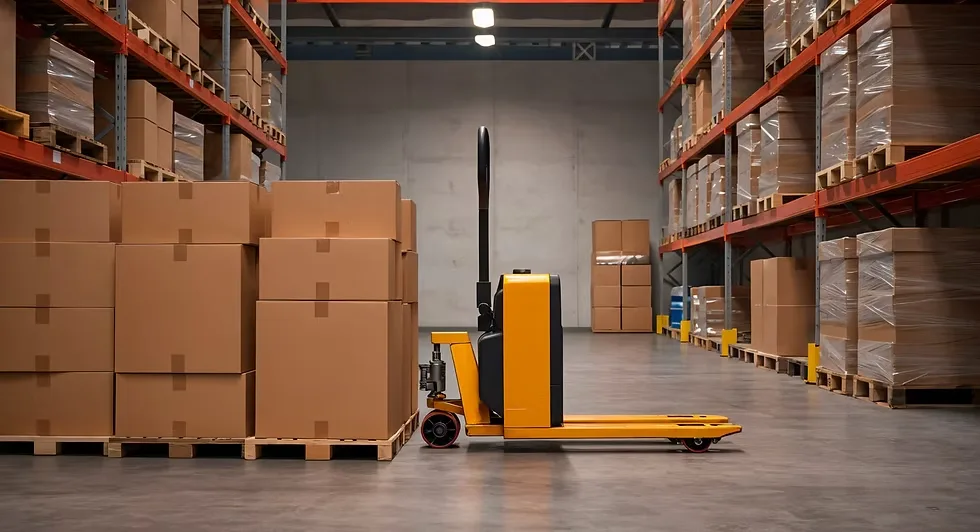
Storage requirements differ significantly depending on business type, inventory volume, product characteristics, and how a company operates day to day. A business handling small, fast-moving retail products has very different needs than one storing raw materials for manufacturing or oversized components for industrial use. This is why business storage solutions, commercial storage solutions, and industrial storage solutions are rarely interchangeable.
Retailers often need accessible, well-organized space for frequent restocking, while manufacturers require storage that accounts for raw materials, work-in-progress items, and finished goods separately. Distributors and wholesalers typically manage higher volumes with more complex movement patterns, and e-commerce operations depend on fast, accurate picking to meet delivery expectations. Even service businesses that hold physical inventory, such as parts or equipment, benefit from structured storage that keeps supplies organized. Since needs vary this widely across industries we serve, the right storage approach is always shaped by the specific products and operations involved rather than a one-size-fits-all setup.
What Makes Commercial Storage Different From Basic Storage
Commercial storage is built around business requirements rather than the simplicity of personal storage. While personal storage typically involves keeping a limited number of items in one place, commercial storage solutions must account for capacity planning, accessibility for multiple staff members, inventory turnover rates, and workplace safety standards that personal storage rarely needs to consider.
Scalability is another major difference. A business storing products commercially needs a system that can grow alongside increasing inventory, seasonal demand shifts, or new product lines, without requiring a complete redesign each time volume changes. Organization also plays a larger role, since commercial storage supports ongoing workflows like receiving, order fulfillment, and restocking rather than passive, long-term keeping. In short, commercial storage is not just about holding more items. It is about creating a system that actively supports daily operations, safety, and efficiency at a scale that basic storage was never designed to handle.
How Much Warehouse Storage Space Does a Business Need?
Warehouse size should never be based only on current inventory volume. A space that fits today’s stock may quickly become inadequate once growth, seasonal demand, or new product lines are factored in.
Businesses should evaluate inventory quantity alongside product dimensions, expected growth over the next several years, and the aisle width needed for safe, efficient movement. Picking areas, receiving zones, staging space, and dispatch areas all require dedicated room separate from long-term storage. Maximizing storage density by cramming shelves too close together may look efficient on paper, but it often slows down staff, increases handling time, and creates safety concerns. A warehouse that prioritizes storage capacity without leaving room for accessibility and workflow tends to create more operational problems than it solves, which is why space planning should always balance both factors together rather than favoring one over the other.
Ways Storage Solutions Can Lower Logistics Costs
Better storage design can reduce unnecessary movement, cut down handling time, and minimize picking inefficiencies that quietly add up over time. When products are positioned according to demand and movement frequency, staff spend less time walking and more time completing tasks that directly support order fulfillment. This has a measurable effect on warehouse labor and, in turn, on logistics operations as a whole.
For example, placing high-turnover items near packing stations reduces the distance workers travel for each order, while clearer labeling reduces time lost searching for misplaced stock. That said, storage improvements do not automatically guarantee cost savings. The results depend heavily on correct design, proper implementation, and ongoing adjustments as inventory patterns change. Businesses working with experienced logistics freight support often find it easier to align storage decisions with broader distribution goals, since storage and transportation costs are closely connected rather than separate line items.
Storage Solutions and the Wider Supply Chain
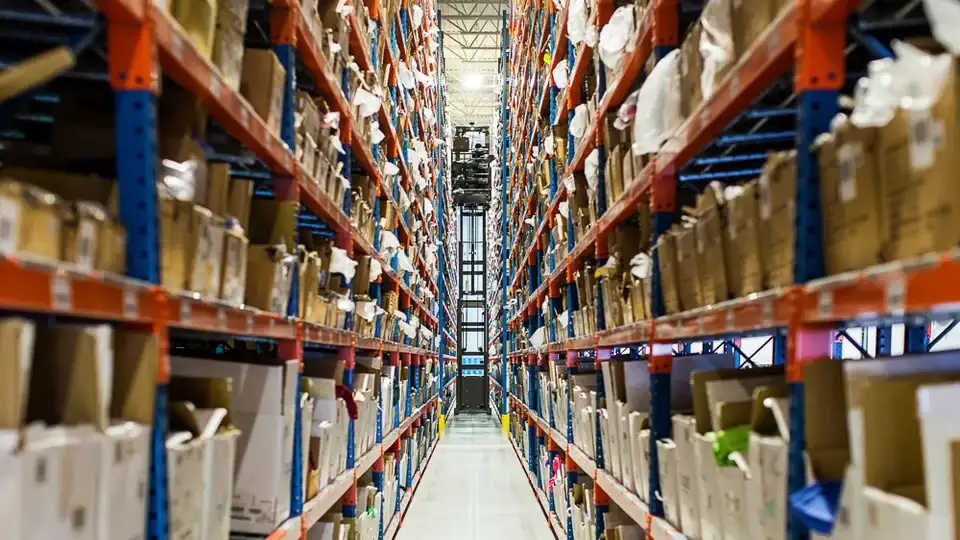
Warehouse storage does not operate in isolation. It sits at the center of the supply chain, connecting the moment goods are received to the moment they leave for customers or downstream partners. Before storage even begins, purchasing or production decisions determine what inventory arrives and in what quantities, and after storage ends, order fulfillment and distribution decide how quickly that inventory reaches its destination.
This makes storage a link rather than an endpoint. Supply chain storage solutions need to account for incoming supply schedules, seasonal fluctuations, and the pace at which finished goods move outward. When storage is planned with this bigger picture in mind, businesses are better positioned to avoid bottlenecks, whether that means having enough space to receive a large shipment or being able to quickly stage products for outgoing orders. Storage and distribution solutions work best when treated as connected stages of one continuous flow, rather than separate functions handled without coordination between receiving, holding, and shipping teams.
Choosing the Right Storage Solution for Your Business
Selecting a storage solution should never rely on guesswork or copying what another business uses. The right system depends on evaluating several factors specific to your own operation:
- Product characteristics, including size, weight, and fragility
- Inventory volume and how quickly stock turns over
- Available storage space and layout constraints
- How often items need to be accessed by staff
- Budget for equipment, racking, or automation
- Scalability to support future growth
- Safety requirements tied to product type and storage height
Comparing systems against these criteria, rather than choosing based on cost alone, helps businesses avoid outgrowing a setup within a year or investing in automation before it is actually needed.
Common Storage Planning Mistakes Businesses Should Avoid
Poor warehouse organization rarely happens all at once. It usually builds up gradually as small planning mistakes go uncorrected. Some of the most common issues include:
- Using a storage system that does not match product size or weight
- Ignoring how frequently items actually move through the warehouse
- Overcrowding aisles, which slows staff and creates safety hazards
- Underusing vertical space while running out of floor space
- Inconsistent or missing labeling that makes items hard to locate
- Failing to plan for growth, leading to disruptive redesigns later
Preventing these issues starts with reviewing storage layout regularly rather than treating it as a one-time setup. Businesses that revisit their approach as inventory and order volume change tend to avoid the compounding inventory management and logistics problems that come from outdated storage decisions.
Modern Trends Changing Business Storage Solutions
Business storage is steadily shifting toward greater flexibility, automation, and digital visibility. Automated storage and retrieval systems are becoming more common in operations with high volume or repetitive picking tasks, reducing manual movement while improving space utilization. Warehouse management systems now play a larger role in connecting physical storage locations with real-time inventory data, giving teams better visibility into stock levels without manual counts.
Modular storage designs are also gaining traction, allowing businesses to reconfigure shelving and layouts as inventory needs change rather than committing to a fixed structure. Connected inventory tracking, using barcodes or digital tags, helps bridge the gap between physical storage and software systems. These trends are practical responses to genuine operational challenges rather than technology adopted for its own sake, and they continue to shape how modern warehouse and logistics operations approach scalable, adaptable storage.
Comparing Common Storage Approaches for Businesses
The right storage approach depends on inventory characteristics, movement frequency, and available space, which is why no single method suits every warehouse.
| Storage Approach | Best For | Access Method | Space Use | Key Consideration |
| Shelving | Small parts, cartons, general stock | Manual, direct access | Moderate | Best for lighter, frequently picked items |
| Pallet Racking | Palletized or bulk goods | Manual or forklift access | High, especially vertical | Requires clear aisles and equipment |
| Dynamic Storage | Fast-moving inventory | Gravity-fed or flow-based | Efficient for turnover | Needs consistent stock replenishment |
| Automated Storage | High-volume, repetitive picking | Machine or robotic retrieval | Very high density | Higher upfront investment and planning |
Final Thoughts on Modern Storage Solutions
Storage solutions are ultimately about more than finding space to hold products. They bring together physical layout, organized systems, and operational processes that determine how efficiently a business can locate, manage, and move its inventory. As this article has covered, the value of proper storage extends across inventory management, warehouse organization, supply chain coordination, and overall logistics operations. For businesses looking for reliable support in these areas, TABZ Logistics LLC can be a relevant resource, rather than being limited to how much space a warehouse contains.
Businesses that treat storage as a strategic part of their operations, rather than an afterthought, tend to experience fewer errors, smoother workflows, and better use of available space over time. As inventory volume and product variety grow, storage needs will naturally shift, making it worth revisiting the current setup regularly rather than waiting for problems to appear. If your current storage approach feels disorganized or difficult to scale, take the time to assess where inventory movement slows down and where space could be used more effectively. Small adjustments to layout and systems often lead to meaningful improvements in daily operations.
FAQs About Storage Solutions
The main purpose of a storage solution is to keep inventory organized, accessible, and protected while making efficient use of available space. A suitable system can also support smoother picking, packing, and replenishment processes.
Common warehouse storage systems include pallet racking, shelving, bin storage, mezzanine storage, mobile shelving, and automated storage systems. The right option depends on inventory size, weight, turnover, and available floor space.
Well-planned storage solutions give each product a defined location, making inventory easier to find, count, and track. This can reduce misplaced items, improve order accuracy, and help employees work more efficiently.
Storage requirements depend on inventory volume, product dimensions, stock turnover, seasonal demand, future growth, and how much space is needed for aisles and handling equipment. Businesses should also consider receiving, packing, and shipping areas when planning total warehouse space.
A business may consider automated storage when it handles high inventory volumes, frequent orders, limited floor space, or repetitive storage and retrieval tasks. Automation can help improve consistency and reduce manual handling when the investment fits the operation.